


In recent years, the concept of 'playtime' has undergone a radical transformation, especially within the digital realm. As we step into 2026, the gaming industry continues to be at the forefront of technological advancement and cultural evolution, redefining how we perceive and engage with play.
One of the significant developments in the gaming sector is the increased emphasis on community-driven content. Major gaming platforms have implemented features that allow users to not only consume content but also actively create and share their own game mods, levels, and stories with a global audience. This shift has democratized game development, blurring the line between developers and gamers.
Moreover, augmented reality (AR) and virtual reality (VR) technologies are becoming more accessible and affordable, providing gamers with immersive playtime experiences that were previously unimaginable. With VR headsets and AR smart glasses gaining popularity, players can now explore virtual worlds and interact with digital characters as if they were part of their physical environment.
Another trend shaping online playtime is the growing importance of social interactivity. Modern games are incorporating social features that promote collaboration and competition among players. From teaming up in expansive multiplayer worlds to engaging in live-streamed competitive events, gaming in 2026 is as much about socializing as it is about individual achievement.
Additionally, the economic dynamics of gaming have evolved with the advent of blockchain technology. Play-to-earn models, where players earn cryptocurrency through their in-game activities, are becoming more prevalent. This shift not only enhances player engagement but also raises questions about the regulatory landscape surrounding digital currencies in gaming.
As we continue to navigate through 2026, it is clear that 'playtime' is no longer a singular or isolated activity. It is an interconnected community experience that spans both the virtual and real worlds, driven by technological innovation and a shared passion for exploration and creativity. The gaming industry, therefore, remains a dynamic field, consistently redefining entertainment and community interactions in exciting ways.

Exploring the benefits of playtime in children's education and development in modern society.
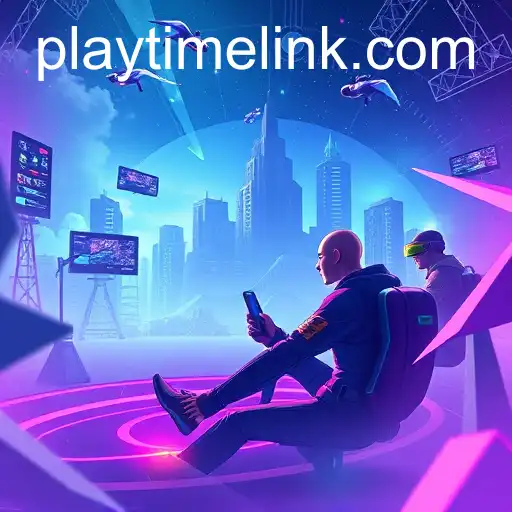
Exploring the dynamic shift in digital gaming experiences in 2025, with a focus on technological advancements and societal impacts.

Exploring the transformative developments in online gaming as technology advances, influencing both player engagement and industry dynamics.

Exploring how the playtime dynamics in the online gaming world have evolved by 2026, influenced by technological advancements and cultural shifts.

Exploring the evolution of digital playtime in 2025, the gaming industry faces unprecedented changes fueled by technology and innovation.

Explore how the gaming industry has evolved in 2025 with advancements in technology and changing player dynamics.
